Our services
Two services.
One group.
Residential care in separate homes for separate needs, and supported and transitional housing through Inkfish Homes for older young people moving toward independence, from our own homes and from other services.
Why the two sit together
Built so the next step can be planned, not improvised.
Turning seventeen shouldn’t mean starting over with strangers. We built Inkfish with both parts in place: Inkfish Care for the home a young person lives in, and Inkfish Homes for what can come next. Where it is right for the young person and a home is available, that step can be planned early, by people who already know them.
An Inkfish home
Residential care, one or two children, one consistent team.
Transitional housing
Where it is right and a home is available, with support that steps down as independence grows.
Independence
With the relationships that helped them get there.
Why care and homes sit together
Leaving care shouldn’t mean losing your home.
households with a care leaver support need were assessed as homeless or threatened with homelessness in England in 2024/25.
of them were already homeless when they approached their council.
Source: MHCLG, Statutory homelessness in England, financial year 2024 to 2025.
Inkfish Care and Inkfish Homes work together to help close that gap, offering young people a supported route towards independence wherever it is right for them and a suitable home is available.
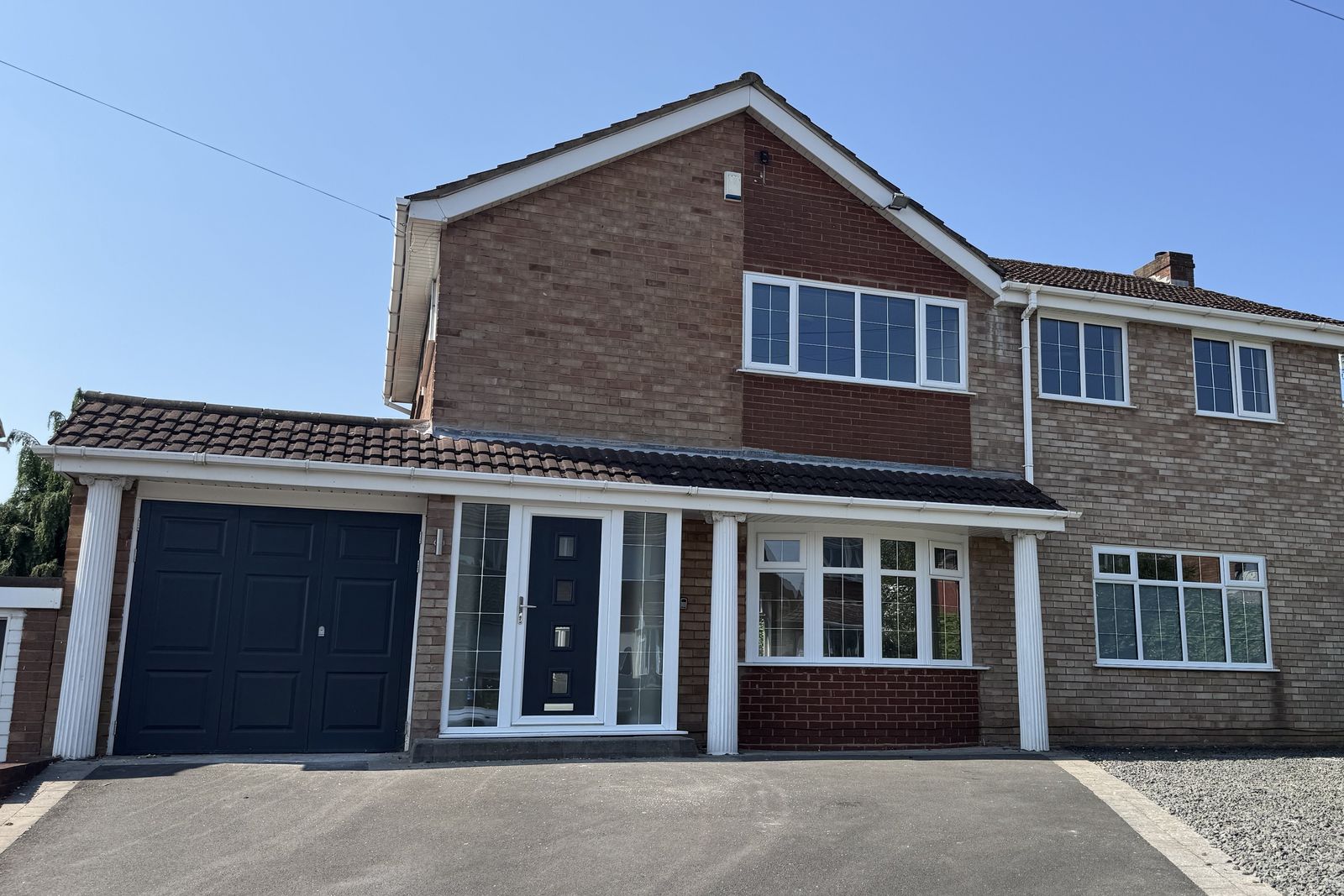
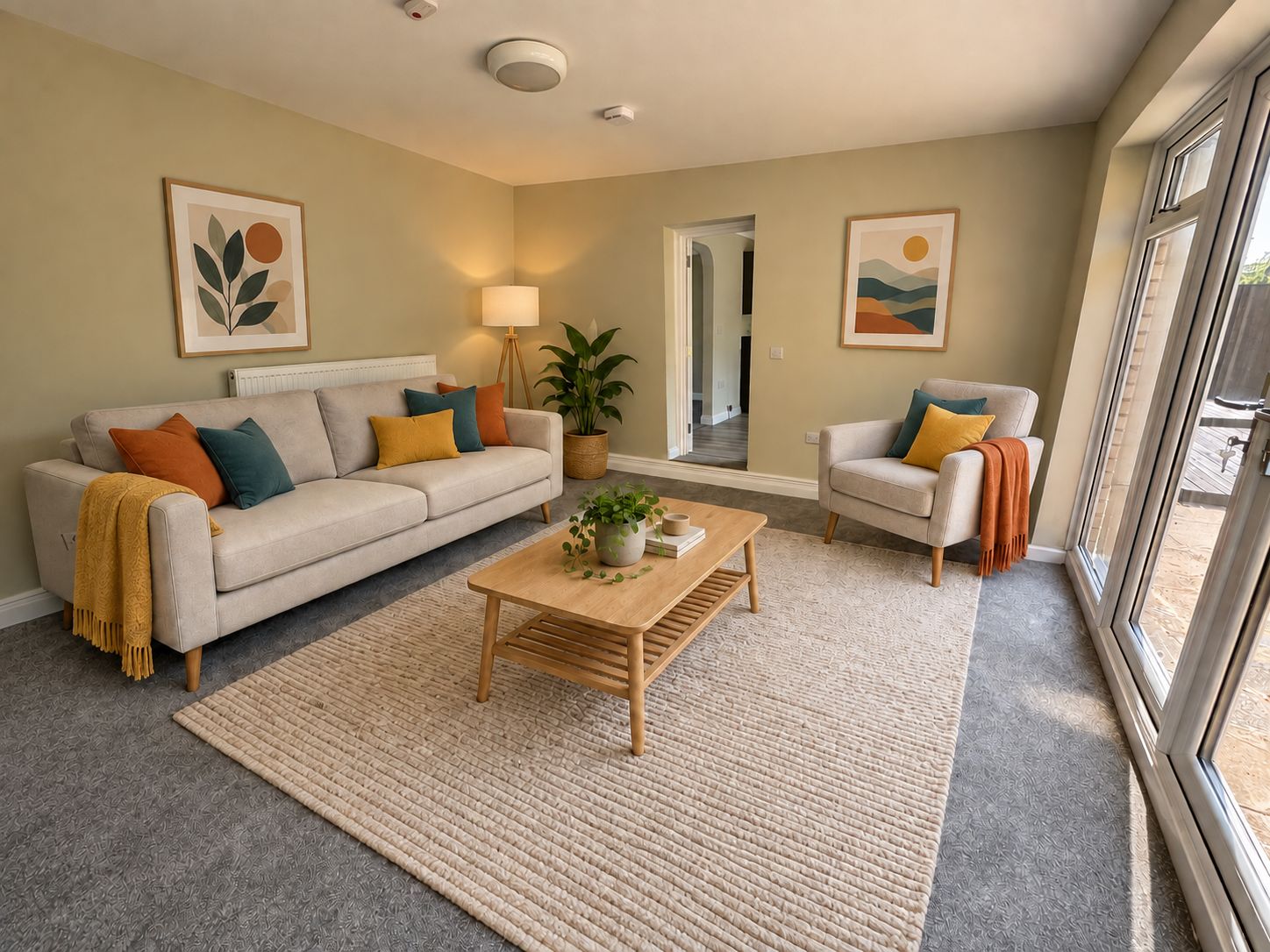
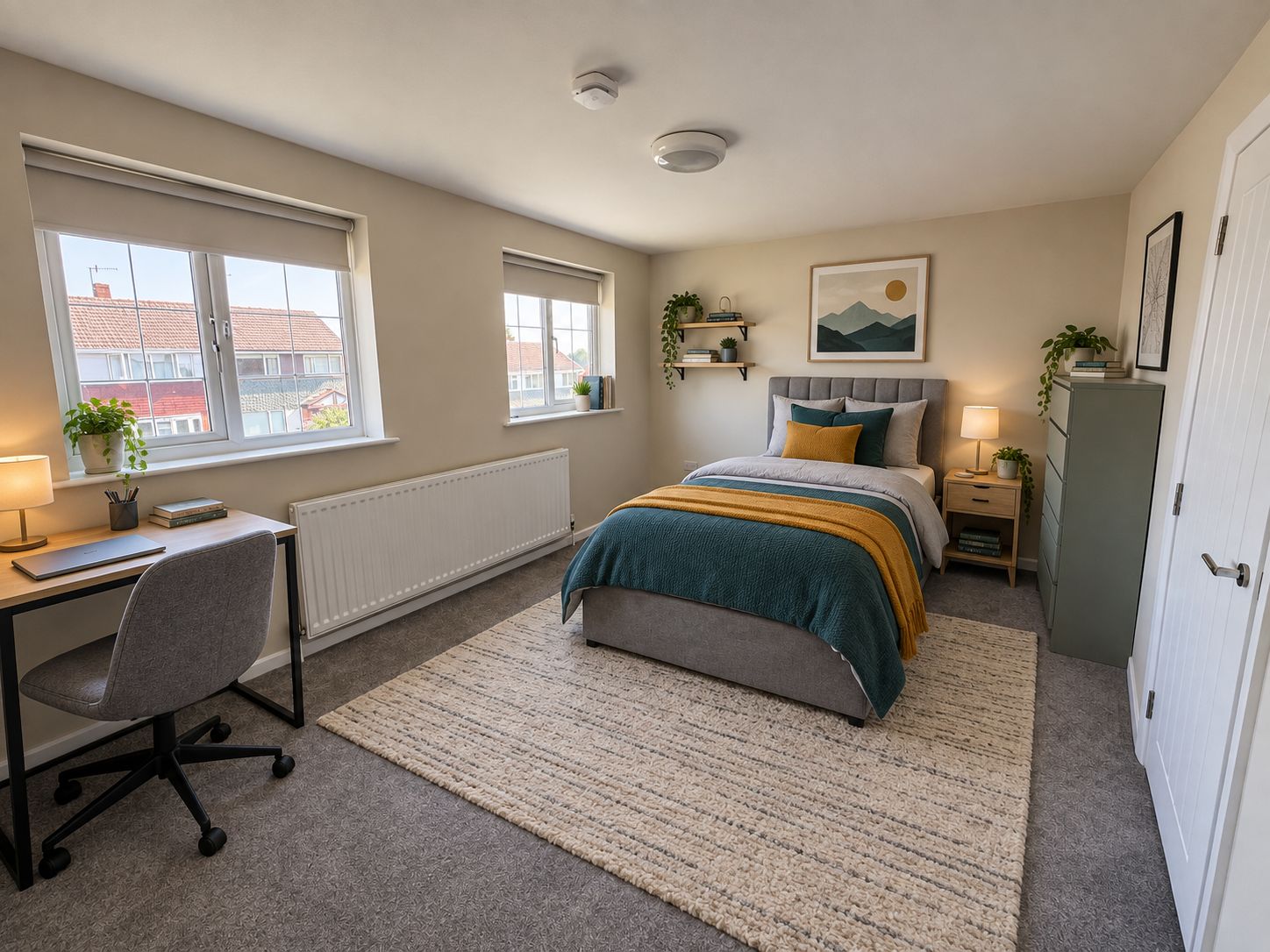
Our first home
EBD homes.
For children whose emotional and behavioural needs mean a large group setting doesn’t work for them.
Practice informed by DDP and PACE, applied as the culture of the whole house. An education pathway worked on from day one. Every home measured against the Inkfish Home Standard.
LD homes.
Separate homes for children with a learning disability, built around how each child understands the world.
Learning disability is a separate Ofsted registration. We won’t call a home LD provision until it is registered as one, and each of our homes is registered for one primary need.
Environment
Space, light, sound and texture planned around each child’s sensory needs.
Routine
Predictable days that make the world easier to read and to trust.
Communication
However a child communicates, the home is set up to understand them.
Staffing
A team trained for the children who live there, not borrowed from elsewhere.
Delivered by Inkfish Homes
Transitional & supported housing.
Homes for older young people moving toward independence, developed by Inkfish Homes, for young people from our own homes and from other services.
A good home starts with the building. What happens inside it is what really matters.
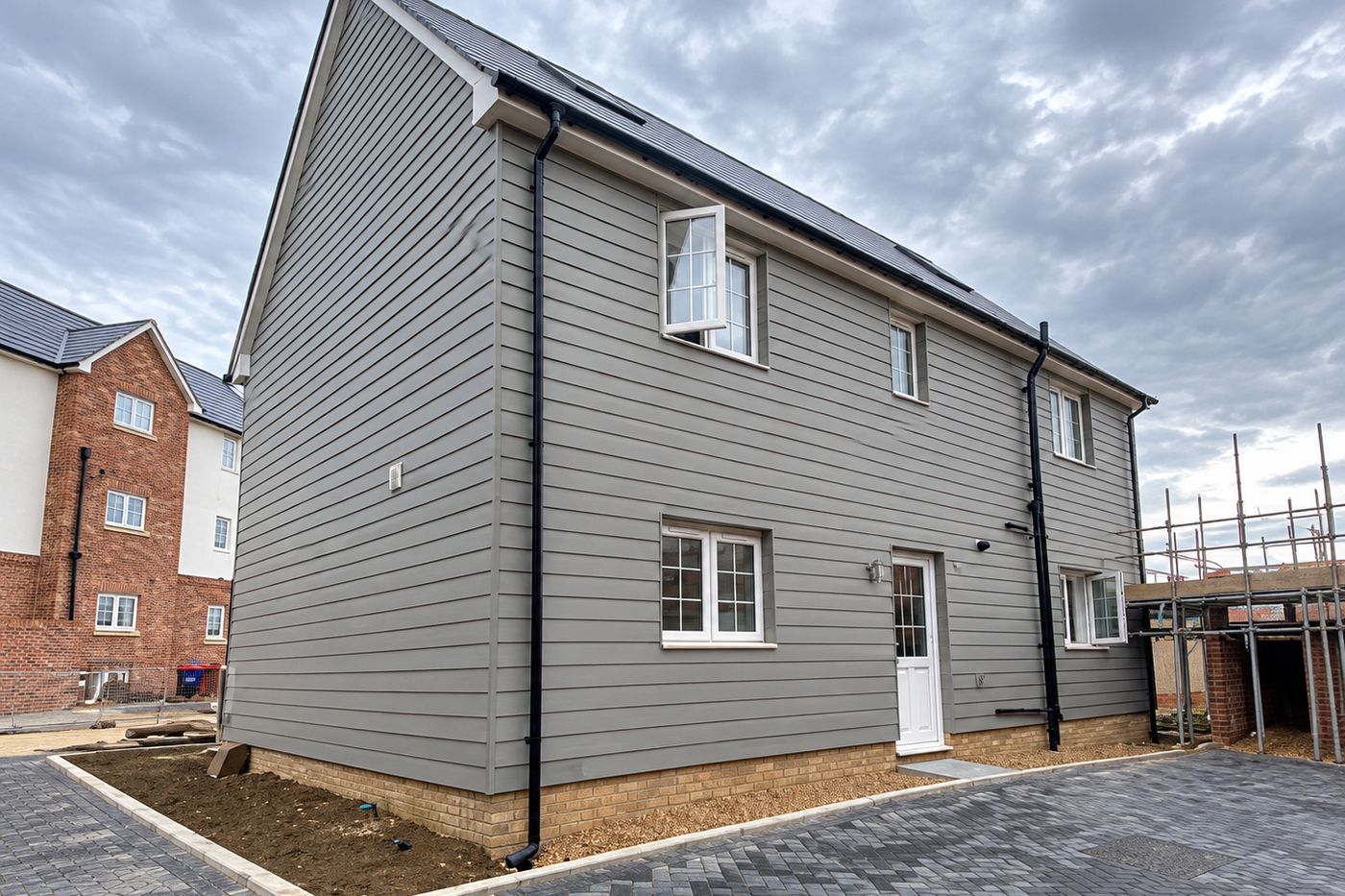
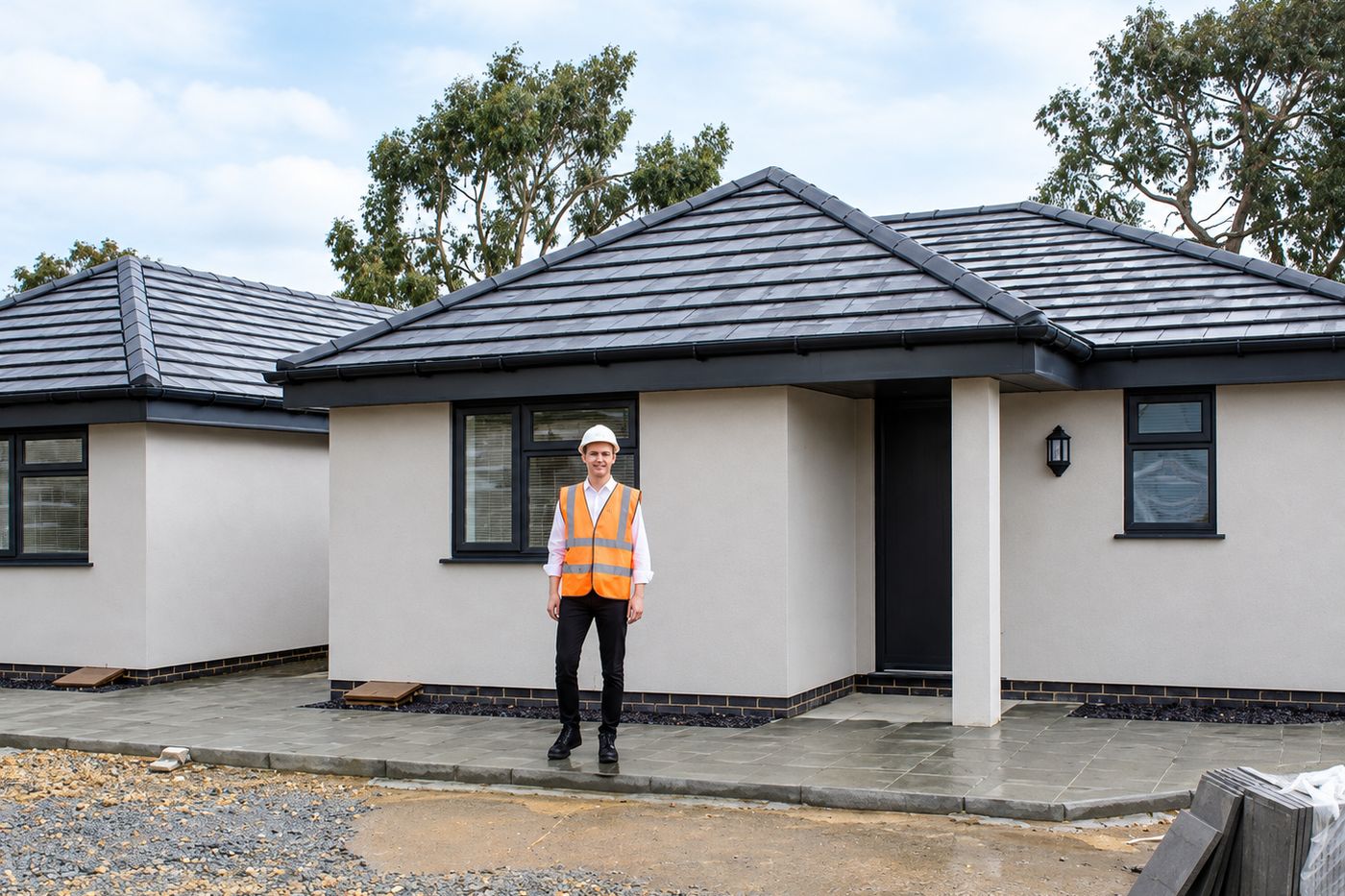
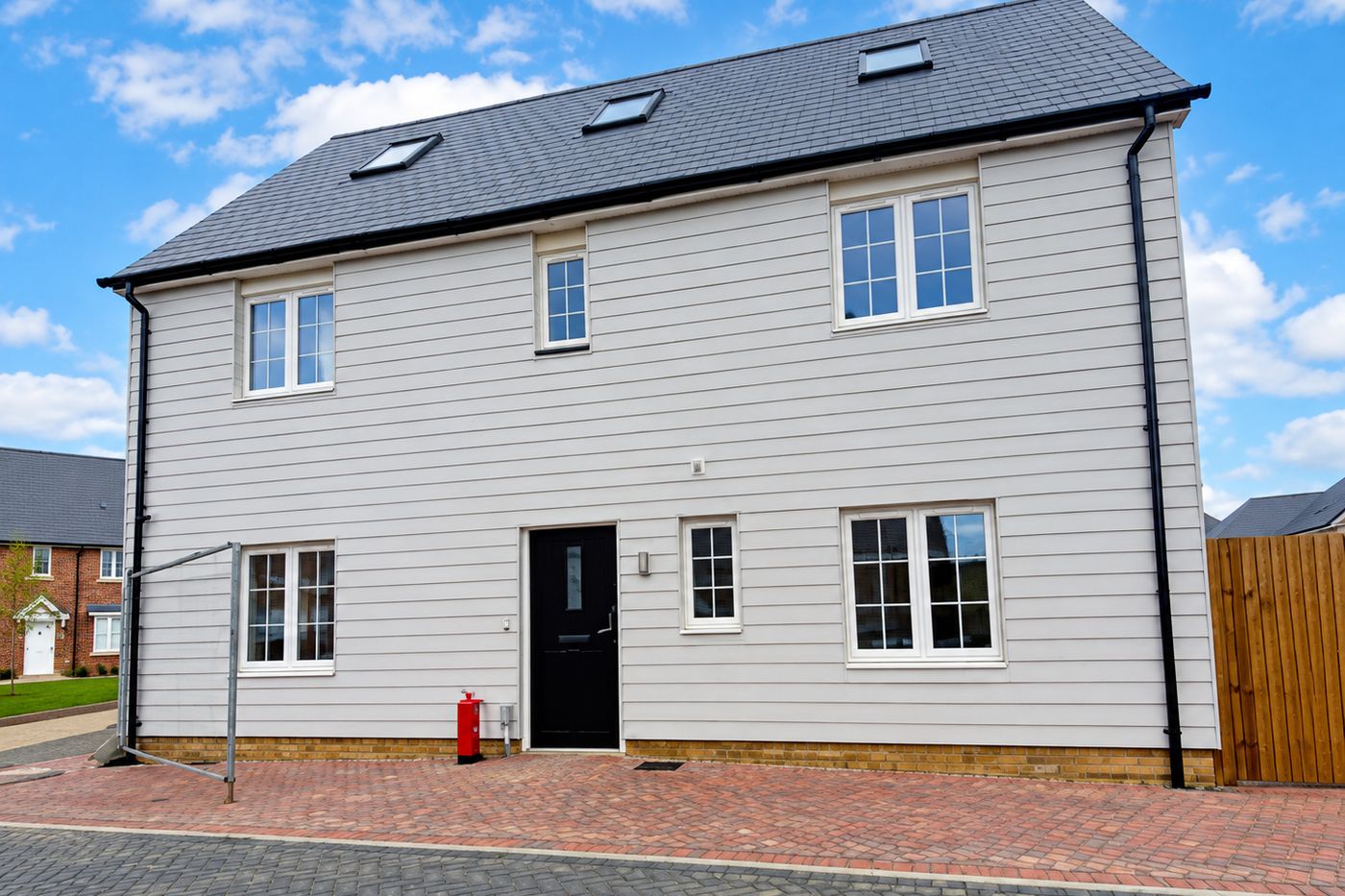
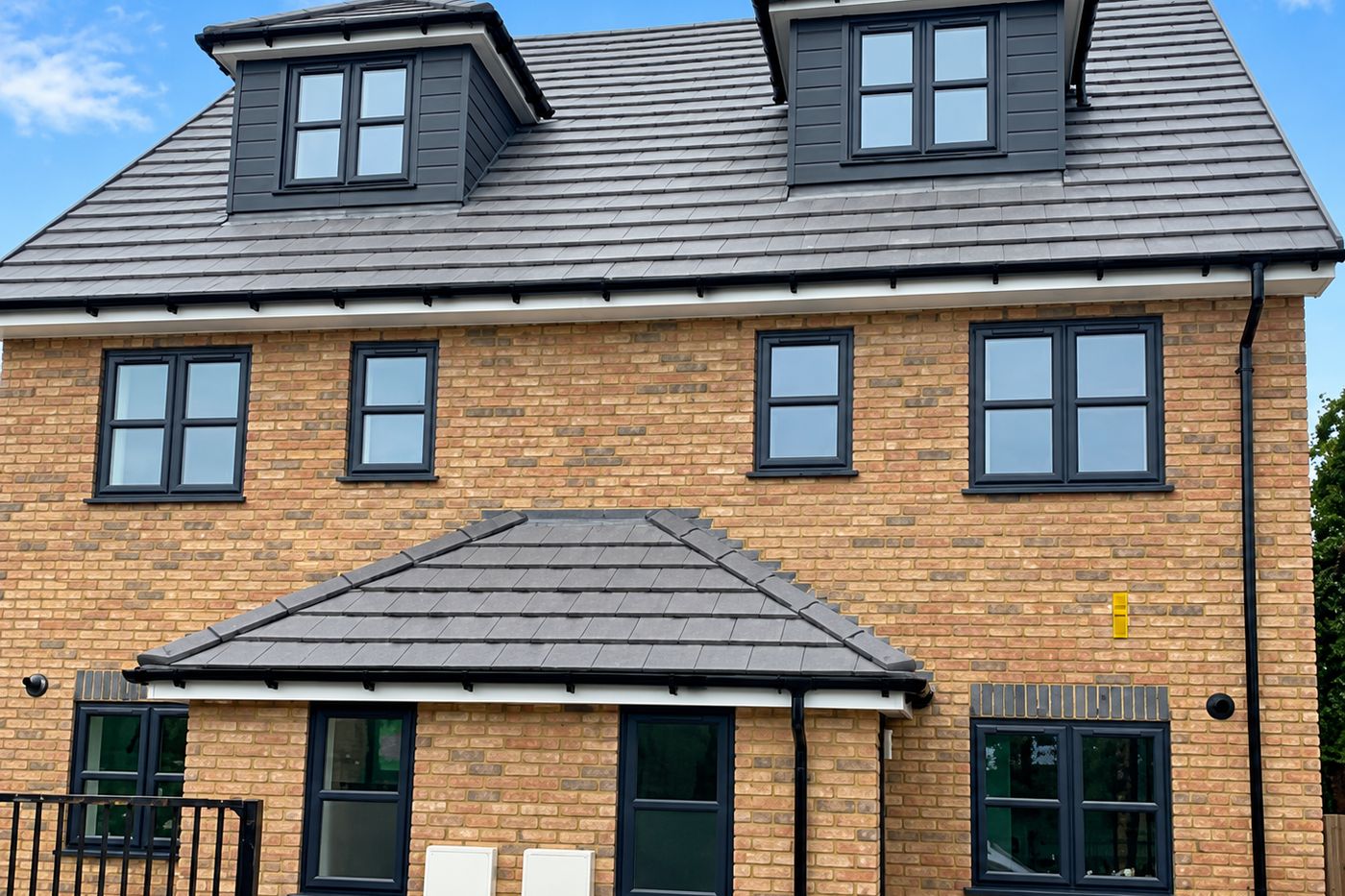
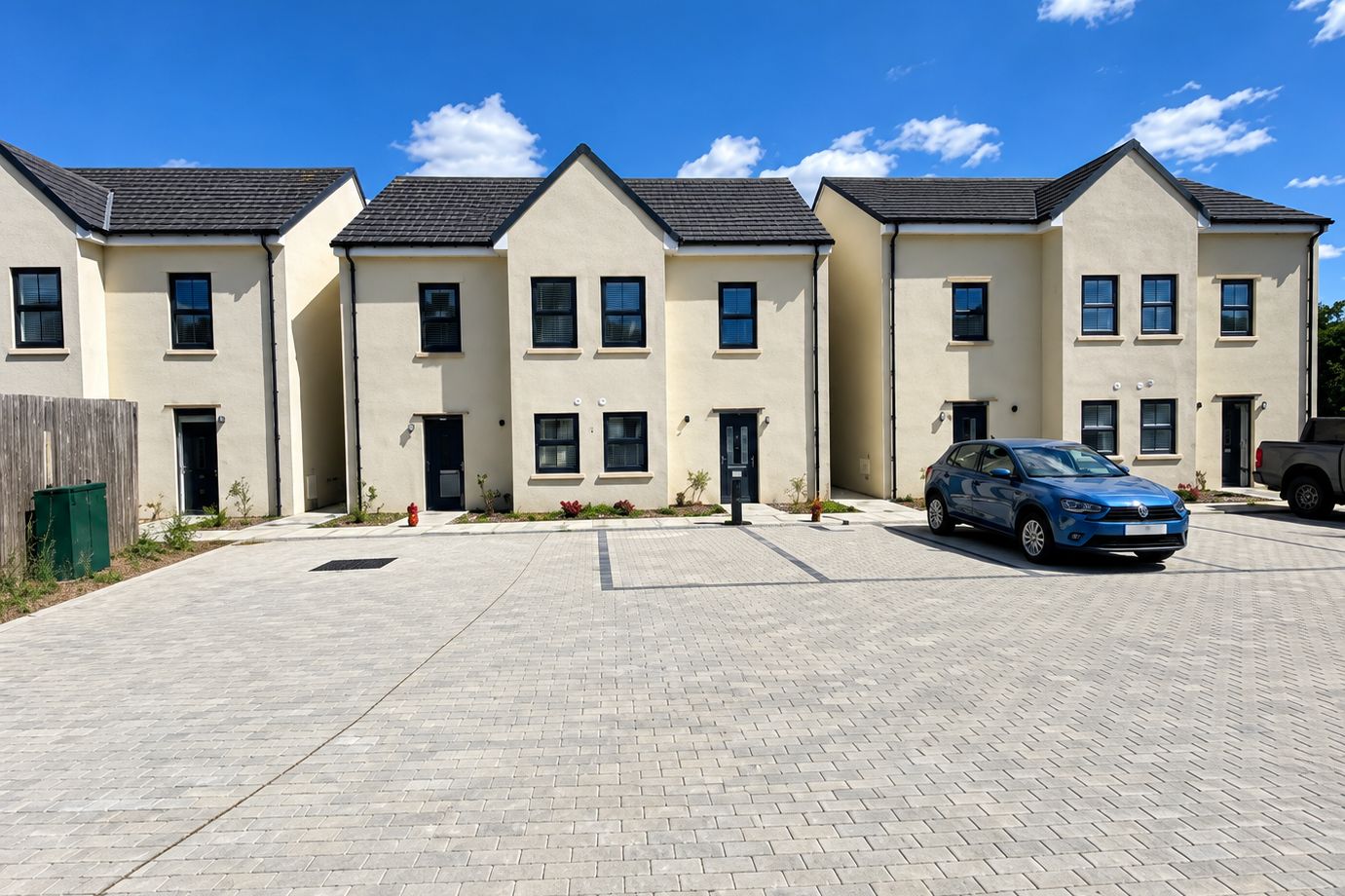
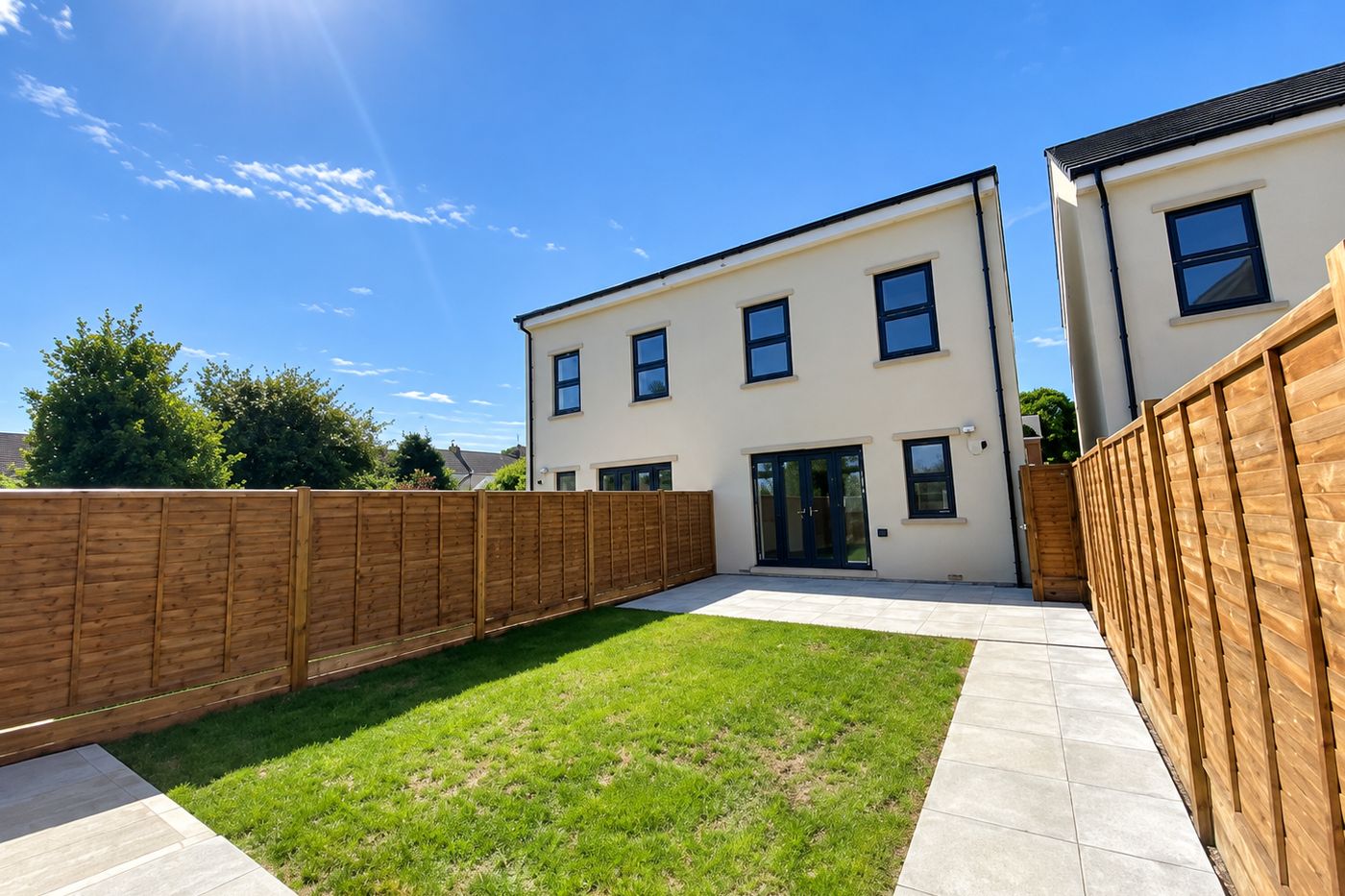
Our first project started in 2021, developing supported housing with care providers, housing associations and local authorities, always with the person who would eventually call it home at the heart of the design.
We went on to develop specialist children’s homes for other care providers. Then a conversation with a former Director of Children’s Services in Dorset got us thinking: what if we didn’t just create the homes, but used everything we’d learned to shape the care inside them too?
That conversation led to Inkfish Care. Today, Inkfish Homes and Inkfish Care bring those two sides together, the home itself and the people and care within it.
Our first project
Supported housing, developed with care providers, housing associations and local authorities.
Specialist children’s homes
Designed and developed for other care providers.
Inkfish Homes and Inkfish Care
The home itself, and the people and care within it.
Where a service requires Ofsted registration, we won’t operate it until that registration is in place.
Next
Placing a child?
See how referrals, matching and decisions work.